Budget-Friendly Swimming Pool Repair for Year-Round Enjoyment
Affordable swimming pool maintenance is vital for keeping a usable and comfortable outdoor space. Regular maintenance and immediate attention can prevent minor issues from developing into major expenses. Pool owners frequently miss common problems that can jeopardize water quality and safety. Grasping the intricacies of DIY repairs and finding reliable local services can significantly in-depth article reduce costs. However, many still question about the optimal methods to ensure their pools remain inviting year-round.
Typical Swimming Pool Troubles
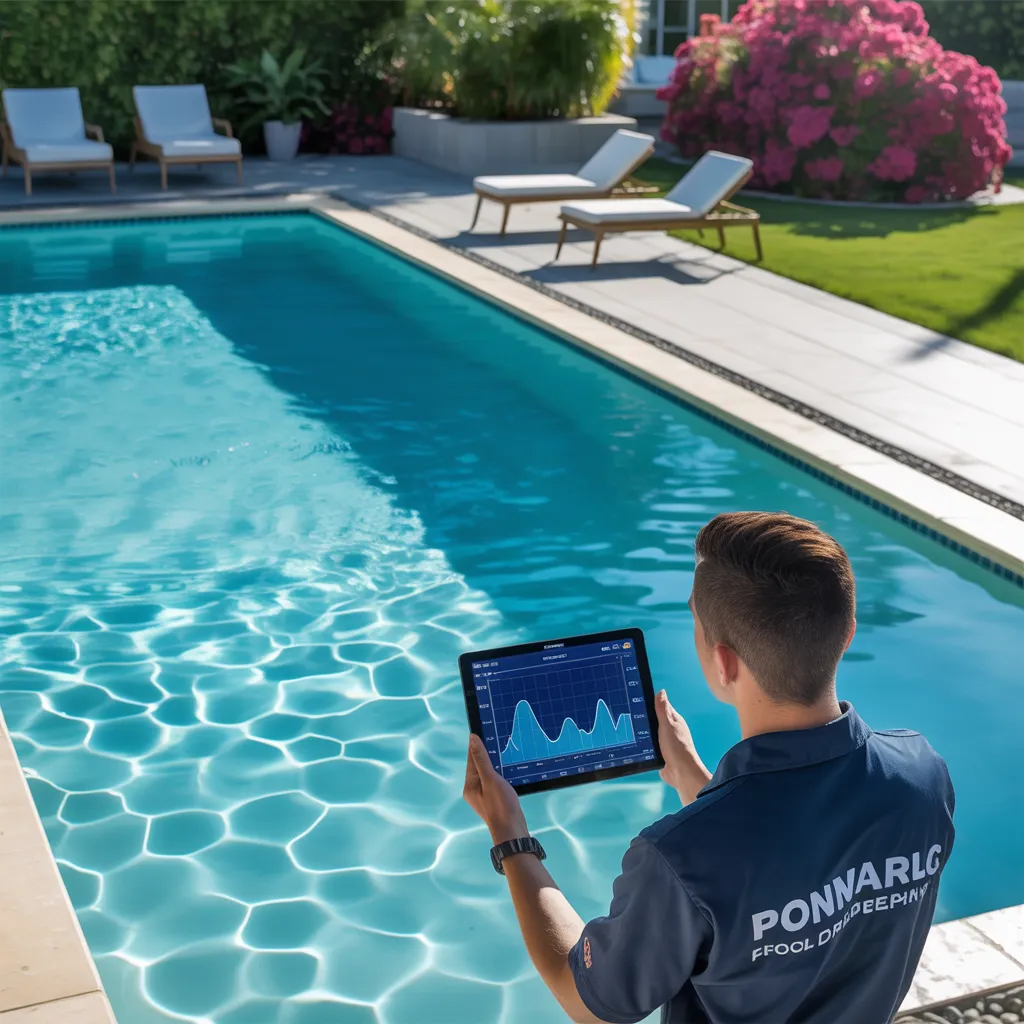
Swimming pool owners often encounter a range of typical problems that need attention. One widespread issue is water clarity, often stemming from inadequate filtration or imbalanced chemical amounts. Algal growth can also pose challenges, flourishing in warm temperatures and poorly maintained water. Additionally, leaks are a frequent concern, potentially leading to substantial water waste and higher utility expenses.
Another concern is the degradation of pool surfaces, such as cracks in the plaster or tiles, which can compromise aesthetics and safety. Equipment malfunctions, including pump failures or heater problems, often disrupt pool enjoyment and require timely maintenance. Finally, debris accumulation from leaves, dirt, and insects can impact water quality and require regular cleaning. Addressing these common problems promptly ensures not only a safe swimming environment but also prolongs the life of the pool and its components, allowing for continued enjoyment throughout the swimming season.
DIY Fix Methods
Undertaking pool repairs can be a gratifying project for homeowners looking to reduce expenses and improve their repair abilities. Frequent issues, such as pool liner leaks or tile cracks, can be successfully handled with DIY techniques. For example, repairing a vinyl liner can be done using a basic repair kit, ensuring a watertight seal. Homeowners can also tackle small cracks in concrete or plaster pools with epoxy-based fillers, delivering a sturdy solution.
Cleaning and maintaining pool filters is another important DIY task, which can enhance water circulation and clarity. Additionally, replacing worn-out or broken pool equipment, like pump parts or skimmers, often requires only basic tools and support from online resources. By acquiring these skills, homeowners not only save on repair costs but also gain a deeper understanding of their pool's mechanics, leading to a more enjoyable swimming experience year-round.
Affordable Seasonal Pool Maintenance Tips
Low-cost seasonal pool maintenance is imperative for increasing a pool's longevity and ensuring water quality. Consistent water testing, effective filter maintenance, and using protective covers can significantly reduce repair costs over time. Establishing these techniques helps maintain a fresh and safe swimming environment while staying within your budget.
Regular liquid analysis
Appropriate chemical balance is crucial for upholding a healthy swimming pool in fine condition. Ongoing pool testing allows pool owners to supervise pH levels, alkalinity, and chlorine concentration, assuring that the water remains wholesome and delightful. By assessing the pool at least once a week, owners can locate imbalances without delay, circumventing substantial repairs and water quality issues. Test kits are widely obtainable and render quick results, permitting it uncomplicated to alter chemical levels as needed. Additionally, assessing water hardness blocks corrosion and scaling, lengthening the lifespan of pool equipment. Instituting a methodical testing routine not only ameliorates the swimming experience but also advances a safe environment for family and friends, defining it a significant aspect of pool maintenance.
Reliable Filter Cleaning
A well-maintained filter is vital for peak pool performance and durability. Regular cleaning prevents dirt accumulation, which can cause diminished water circulation and increased energy expenses. Pool owners should plan to clean the filter every 4 to 6 weeks, considering usage and environmental conditions. A simple rinse using a hose can effectively take away surface dirt, whereas a thorough cleaning might require soaking in a specialized solution for several hours. Moreover, monitoring and replacing filter cartridges when necessary will assure superior filtration. Maintaining the filter clean not just boosts water purity but also prolongs the durability of the pool system, finally bringing about lower maintenance expenses and a more enjoyable swimming experience throughout the year.
Seasonal Cover Deployment
Installing a high-quality pool cover can greatly enhance pool maintenance while reducing costs. These covers function as a shield against unwanted materials, decreasing the need for regular upkeep and chemical treatments. By preventing debris, leaves, and pests from entering the pool, owners can save on filter maintenance and water consumption. Additionally, a properly sized cover helps retain heat, reducing heating expenses during colder months. Seasonal covers also protect the pool structure from severe weather conditions, possibly increasing its lifespan. To get the most value, it is important to choose a long-lasting, UV-protected material that fits the pool tightly. Regularly inspecting and maintaining the cover guarantees its effectiveness, allowing affordable and efficient year-round pool enjoyment while decreasing repair costs over time.
Cost-effective Pool Repair Services
When homeowners detect damage or imperfections in their swimming pools, they often explore affordable pool repair services to revamp their oasis without overspending. These services cater to a range of complications, from minor repairs to more extensive structural harm. Many companies offer competitive pricing, ensuring that pool preservation remains available throughout the year.
Homeowners should find local contractors with good ratings and clear cost breakdowns. Some companies may offer complimentary estimates, enabling property owners to plan their budget before committing to work. Moreover, seasonal sales can help reduce expenses, easing the burden to address pressing repairs.
Must-Have Instruments for Do-It-Yourself Pool Care
Performing DIY pool repairs requires that you have the right tools, which are vital for safety and efficiency. The foundation of any repair kit consists of basic repair tools, including wrenches and sealants, and safety equipment ensures protection during the process. Understanding these vital components can enable homeowners to tackle repairs with confidence.
Fundamental Repair Tools Required
A well-supplied toolbox is vital to anyone undertaking pool repairs themselves. Necessary tools include mallets made of rubber that allow adjustment of pool connections while keeping fixtures safe, and wrench sets used for adjusting many different parts. Screwdriver collections are vital enabling repair of pool panels and gear. To stop leaks, caulk guns with resistant water sealants stay required. Pool brushes help with cleaning pool surfaces before repairs, while pumps for underwater use can extract water. Also practical, utility knives cut through materials. When supplying yourself these fundamental tools available to you, pool owners address common issues in an efficient manner and maintain their pools throughout the year.
Important Safeguard Equipment
Safety gear is necessary for anyone undertaking DIY pool repairs, ensuring both security and compliance with safety standards. Proper equipment entails safety goggles to defend the eyes from debris and chemicals, gloves to protect hands from sharp objects and irritants, and strong footwear to prevent slips and injuries. A hard hat is recommended when working under overhead hazards. Also, a first-aid kit should be within reach in case of minor injuries. For individuals working with electrical parts, insulated tools and a voltage tester are essential to avoid electric shock. By arming themselves with these essentials, DIY enthusiasts can improve their safety while efficiently handling pool repair tasks. Emphasizing safety finally results in a more rewarding repair experience.
Minimizing Major Pool Repairs
Regular upkeep serves as the cornerstone for preventing major pool repairs. By adhering to a consistent upkeep schedule, pool managers can identify and address potential issues before they worsen. Vital tasks such as removing leaves, filter maintenance, and adjusting chemical levels are necessary. Disregarding these basic tasks may lead to more severe problems, including algal blooms or system breakdown.
Moreover, monitoring pool equipment—such as pumps, heaters, and liners—consistently can identify wear and tear early. Handling minor leaks or cracks in a timely manner can stop costly repairs down the line. Ensuring proper water levels and circulation helps copyright the structural integrity of the pool.
In addition, dedicating resources to seasonal maintenance, including winterizing, can protect the pool from climate-related deterioration. In the end, thorough care not only lengthens the pool's longevity but also preserves the owner's asset, securing lasting enjoyment for years to come.
Frequently Inquired Questions
What Is the Easiest Way to Discover a Credible Pool Service Company Close By?
To find a dependable pool repair service in your area, one can review online ratings, request suggestions from loved ones, and check local business directories. Comparing quotes and confirming credentials also ensures quality and trustworthiness in service.
What Are the Indicators My Pool Requires Urgent Maintenance?
Indicators that a pool requires immediate fixes include visible cracks, water loss, murky water, strange sounds from equipment, and relentless algae development. Addressing these issues right away can prevent further damage and secure safe swimming conditions.
Are protections available for pool repair services?
Yes, many pool repair services deliver warranties covering parts and labor. These protection plans can change in period and terms, so it's essential for homeowners to ask for details specifics before committing to any repair service.
How Frequently Should I Inspect My Pool for Issues?
Pool inspections should occur at least once a month on a regular basis. However, seasonal changes or intense usage may necessitate more frequent assessments to recognize potential problems early and guarantee ideal maintenance and safety.
What Is the Typical Price of a Pool Repair?
Pool maintenance typically costs between $150 to $1,500 typically, dictated by problem intensity and classification. Factors such as region and the professional's expertise may substantially influence overall expenses.